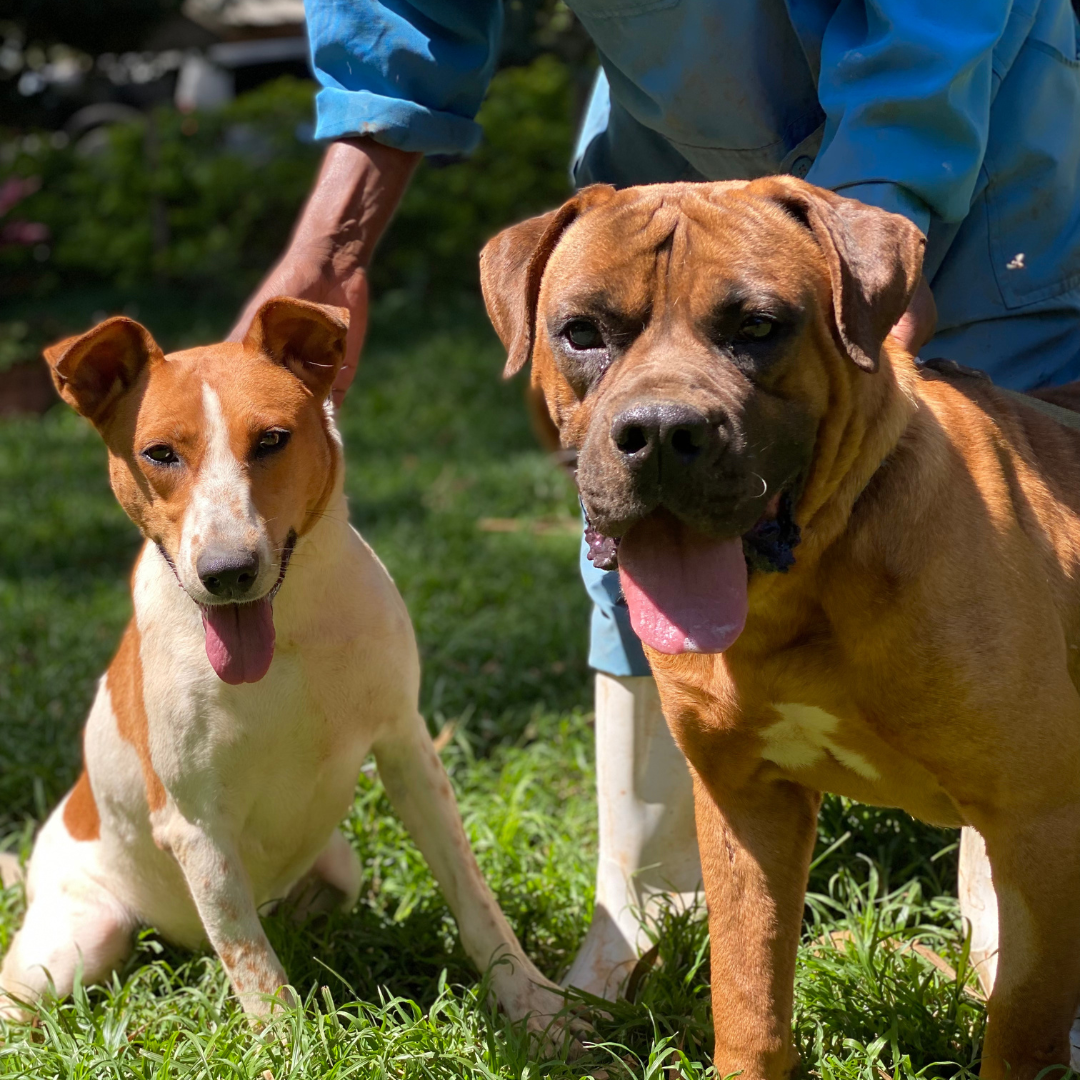
Dogs have long been known as "man's best friend," and they are loyal, loving companions that enrich our lives in countless ways. In Kenya, where many people own dogs for both companionship and protection, proper care for your pet dog is crucial to ensure they remain healthy, happy, and well-adjusted. Caring for a pet dog in Kenya involves understanding their specific needs, addressing local challenges, and providing a loving environment where they can thrive. In this comprehensive guide, we’ll explore the best ways to care for your dog in Kenya, from feeding and grooming to healthcare and general well-being.
Before diving into the specifics of caring for a dog, it’s essential to understand that dogs, like humans, have unique needs. These can vary depending on the breed, age, and activity level of your dog. In Kenya, the local climate, availability of resources, and your lifestyle also play a significant role in determining how to properly care for your dog.
Kenya has a variety of climates, ranging from hot and dry regions like the northeastern parts to more temperate conditions in areas like Nairobi. If you live in a hot region, make sure your dog is protected from the heat, as certain breeds can suffer from heatstroke. Ensure they have access to shade and plenty of fresh water.
In cooler areas, your dog might require extra warmth, especially during the cold nights. Consider getting them a warm blanket or dog sweater for added comfort.
READ ALSO: Tips On Selecting Artwork For Your Home
Kenya offers diverse living environments, from urban areas like Nairobi to rural homesteads. In urban areas, dogs need space to exercise and play. If you live in an apartment, consider taking your dog for regular walks or visiting pet-friendly parks. In rural areas, dogs tend to have more space to roam, but supervision is necessary to ensure their safety.
A healthy diet is essential for your dog’s overall well-being. In Kenya, there are numerous local pet food brands and international options available in supermarkets and pet stores. However, it’s important to know what’s best for your dog, taking into account factors like age, breed, and health.
Commercial dog food, whether dry kibble or wet food, provides your dog with the essential nutrients they need. Look for high-quality brands that are specifically formulated for your dog’s life stage (puppy, adult, or senior). In Kenya, some of the well-known dog food brands include Pedigree, Royal Canin, and Hill’s Science Diet, which are available in most supermarkets and pet stores.
If you prefer to prepare food for your dog at home, you can create balanced meals using locally available ingredients like chicken, beef, rice, vegetables, and grains. However, it’s important to ensure the meals are nutritionally balanced, with the correct ratio of proteins, fats, and carbohydrates. You may also want to consult with a veterinarian or pet nutritionist to ensure the diet meets your dog’s specific needs.
Avoid feeding your dog foods that are harmful to them, such as chocolate, grapes, onions, and garlic. These foods can cause poisoning and should be kept away from your pet.
Dogs require regular physical exercise to maintain a healthy weight and stay mentally stimulated. Depending on your dog’s age, breed, and energy levels, they will need varying amounts of activity.
In Kenya, especially in cities like Nairobi, pet owners often take their dogs to local parks or nature trails for walks and runs. Exercise not only helps to burn off excess energy but also promotes good cardiovascular health. It’s essential to provide your dog with at least 30 minutes to an hour of exercise daily, depending on their breed and activity level.
In rural areas, dogs often roam freely, which gives them ample opportunity to exercise. However, even if your dog has a large yard to run in, regular walks are still important for socialization and to keep them mentally engaged.
READ ALSO: Everything You Should Know About Buying Curtains In Kenya
Dogs are intelligent creatures, and mental stimulation is just as important as physical exercise. Engage your dog with puzzle toys, interactive play, and training sessions. In Kenya, it’s common for dogs to be left alone during the day, so providing them with ways to entertain themselves can prevent boredom and destructive behaviors.
Training your dog also helps to establish a bond and ensures that your dog behaves well in social settings. Simple commands like “sit,” “stay,” and “come” can make a big difference in the dog’s safety and your ability to manage them in various environments.
Grooming is an essential part of dog care that many pet owners in Kenya may overlook. Regular grooming not only keeps your dog looking good but also helps to prevent skin issues and keep your dog comfortable.
Dogs in Kenya should be bathed regularly, especially if they spend time outdoors. The frequency of baths depends on your dog’s activity level, coat type, and environment. In hot climates, frequent bathing can help cool them off, while in cooler areas, baths can be spaced further apart.
Brushing your dog’s coat is also essential, especially for long-haired breeds. Brushing helps to remove loose hair, prevent matting, and reduce shedding. It also promotes healthy skin and fur. Depending on the breed, you may need to brush your dog once or twice a week.
Regular nail trimming is important to prevent your dog’s nails from becoming too long and causing discomfort. Check their ears for dirt and debris regularly, and clean them with a dog-specific ear cleaner.
Regular veterinary care is critical to your dog’s health. Ensure that your dog has regular check-ups, vaccinations, and deworming treatments. In Kenya, there are several veterinary clinics and hospitals that offer these services, particularly in urban areas. Look for reputable clinics with experienced veterinarians.
Vaccinations are essential to protect your dog from common diseases like rabies, parvovirus, distemper, and hepatitis. In Kenya, rabies vaccination is crucial, as the disease remains a threat in both rural and urban areas. Your vet will also recommend regular flea, tick, and heartworm treatments.
Dogs in Kenya may face unique health challenges due to the climate, parasites, and local diseases. Common issues include tick-borne diseases, intestinal worms, and flea infestations. Regular deworming and flea treatments are essential to keep your dog healthy. It’s also important to be vigilant for signs of heatstroke in hot weather, such as excessive panting or lethargy.
READ ALSO: How To Build Cost-efectively Without Compromising On Quality
Proper socialization is crucial for ensuring your dog grows up to be a well-behaved and confident pet. In Kenya, where dogs may come into contact with other dogs, animals, and people, socialization helps to prevent aggressive behavior and anxiety.
Expose your dog to a variety of people, animals, and environments to help them become well-rounded. If you adopt a puppy, early socialization is key. Take them to different places, introduce them to other dogs, and allow them to experience different sounds and sights.
Training your dog is not only important for good behavior but also helps to strengthen your bond. In Kenya, where some dogs are kept as guard dogs, obedience training is particularly important to ensure they respond to commands when needed.
A safe and comfortable environment is essential for your dog’s well-being. Ensure that your home is secure and that your dog cannot escape or come into contact with harmful substances. Provide a cozy place for them to sleep, such as a dog bed or mat, and ensure they have access to fresh water at all times.
Caring for your dog in Kenya requires attention to detail and a commitment to providing a healthy, loving environment. From providing proper nutrition and exercise to regular vet visits and grooming, a well-cared-for dog will be happy and healthy, offering you years of companionship. With the right knowledge and preparation, you can ensure your pet enjoys a long, fulfilling life in the beautiful and diverse environment of Kenya.




Comments