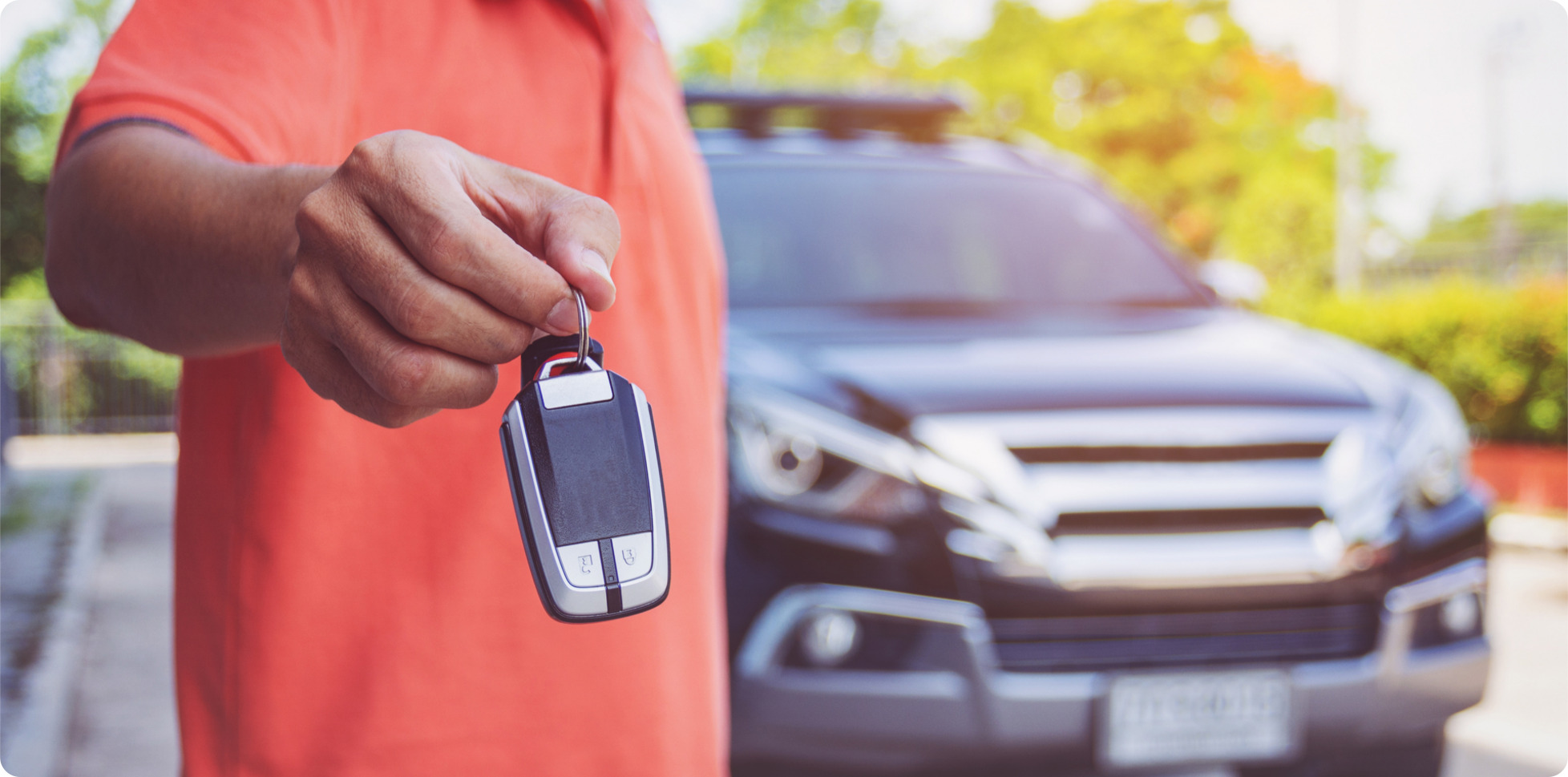
Kenya is known for its dynamic automotive market, which has grown steadily over the years. Whether you’re looking to buy a new or used car, sell your current vehicle, or purchase accessories for your car, there are key factors to consider. From understanding the local car market to navigating the best deals on vehicle accessories, this guide will provide all the essential tips, trends, and insights to help you succeed in buying and selling cars and accessories in Kenya.
The Kenyan car market is diverse, with a mix of both new and used vehicles. The country’s car buyers include individuals looking for personal vehicles, businesses requiring fleet management solutions, and even those purchasing vehicles for export. The used car market is particularly popular in Kenya due to the affordability and availability of pre-owned vehicles, many of which are imported from countries like Japan, the UAE, and the UK.
In recent years, however, the trend of buying new cars has also seen a rise, especially with the expansion of local dealerships and government incentives. Local assembly plants, such as those operated by Toyota Kenya and Isuzu East Africa, have made it easier for buyers to access newer models at competitive prices.
READ ALSO: Everything You Should Know About Buying Curtains In Kenya
When it comes to purchasing a car in Kenya, there are certain types that are particularly popular due to their affordability, reliability, and fuel efficiency. These include:
Saloon Cars – Compact and fuel-efficient, saloon cars like the Toyota Corolla, Honda Civic, and Nissan Note are highly sought after in Kenya. They offer good performance for both urban and rural driving.
SUVs and Crossovers – With Kenya’s diverse road conditions, SUVs like the Toyota Prado, Nissan X-Trail, and the Hyundai Tucson are favorites for those who need a more rugged vehicle that can handle rough terrains.
Pick-Up Trucks – Pickup trucks, such as the Toyota Hilux, Ford Ranger, and Isuzu D-Max, are essential for businesses in the agriculture, construction, and transport industries.
Motorcycles – Motorcycles are a popular choice for low-budget buyers or those looking to venture into the boda boda (motorcycle taxi) business. Bikes such as the Bajaj Boxer and the Honda CD 110 are common.
Step 1: Determine Your Budget
The first step in buying a car is to set a realistic budget. Factor in not only the cost of the vehicle itself but also additional costs such as insurance, registration, and any accessories or modifications you may want.
Step 2: Choose Between New or Used
As mentioned, there is a significant market for used cars in Kenya. If you choose to buy a used car, ensure you carefully inspect it or have it inspected by a professional mechanic. Check for any signs of wear, accidents, or rust.
For new cars, the local dealerships usually offer warranties and after-sales services, which can be beneficial in the long run.
Step 3: Research the Car's History
For used cars, it’s important to check the vehicle’s history. Services like Carfax Kenya or online portals such as AutoDeal can help provide you with important details such as the car’s ownership history, accident record, and mileage.
Step 4: Negotiation and Paperwork
When you’ve selected the car, don’t be afraid to negotiate the price. Car prices in Kenya are often flexible, and you may be able to secure a better deal. Ensure all the necessary paperwork is in order, including the vehicle logbook, proof of ownership, and the roadworthy certificate.
Step 1: Get Your Vehicle Ready for Sale
Before selling your car, ensure it is in good condition. This may involve cleaning, repairing minor issues, and ensuring that the vehicle is roadworthy. A well-maintained car often attracts higher offers from buyers.
Step 2: Set a Realistic Price
It’s important to set a competitive but fair price for your car. Research the prices of similar cars on the market, taking into account factors such as the vehicle's make, model, year of manufacture, mileage, and condition.
Step 3: Advertising Your Car
READ ALSO: How To Build Cost-Effectively Without Compromising On Quality
You can sell your car through various channels, including online platforms like SokoDeal, AutoDeal, or Facebook Marketplace. Alternatively, you can choose to work with a dealership or a car broker, though they may take a commission on the sale.
Step 4: Handling the Transaction
Once you’ve found a buyer, ensure that all the necessary documentation is transferred, including the car logbook and any receipts for repairs or servicing. Be wary of scams and ensure that you only accept secure payments.
Car accessories not only improve the functionality of your vehicle but also enhance its aesthetic appeal. In Kenya, the demand for car accessories is on the rise, as vehicle owners look to personalize their cars and improve comfort. Some of the most popular car accessories in Kenya include:
Car Audio Systems – Upgrading the sound system is a popular modification in Kenya. Whether it’s a new set of speakers, a subwoofer, or a touch-screen infotainment system, many drivers enjoy upgrading their car’s audio system.
Seat Covers and Mats – In a country with frequent rains, seat covers, and floor mats are essential to protect your car’s interior from water damage and dirt.
Car Rims and Tires – Stylish rims and quality tires are in high demand, especially for those who want to add a personal touch to their vehicle. Ensure you choose tires suitable for Kenyan roads, particularly if you plan to drive in rural areas.
LED Lights and Interior Lighting – LED lights are popular for both aesthetic and practical purposes. They can be installed in the car’s interior, headlights, or as under-glow lights for added flair.
Car Cameras and GPS – Many drivers opt for reverse cameras and GPS navigation systems to improve driving safety and convenience.
Roof Racks and Bull Bars – Roof racks for carrying extra luggage, bikes, or even camping gear are popular for those who take long road trips. Bull bars, on the other hand, offer protection for the front of the vehicle, especially in rural areas where wildlife encounters may occur.
Car accessories can be bought from various outlets across Kenya, both online and in physical stores. Some of the best-known places to buy car accessories in Kenya include:
Nairobi Car Bazaar – Located along Moi Avenue, this is one of the largest car accessory markets in Kenya, offering a wide range of products from speakers to floor mats.
Online Platforms – Websites like Jumia, Kilimall, and others offer a variety of car accessories and deliver across the country.
Car Dealerships – Many car dealerships sell accessories for specific vehicle brands, so visiting your local dealership may provide access to genuine and high-quality accessories.
Use Secure Payment Methods – Always choose secure payment methods such as bank transfers or mobile money platforms to avoid fraud.
Meet in Safe Locations – When buying or selling a car, always meet in a public place or at a reputable dealership. Avoid meeting at isolated spots.
Get a Mechanic’s Opinion – Before finalizing any car purchase, take it to a mechanic for an independent inspection. This can save you from making a costly mistake.
The automotive market in Kenya offers many opportunities for both buyers and sellers, but success depends on doing your research, understanding local trends, and navigating the market with caution. Whether you’re buying a car, selling your vehicle, or looking for the best car accessories, follow the steps outlined above to ensure a smooth and informed transaction.
By staying informed about market trends and seeking out reputable dealers or platforms, you can get the best value for your money and enjoy your vehicle for many years to come.




Comments