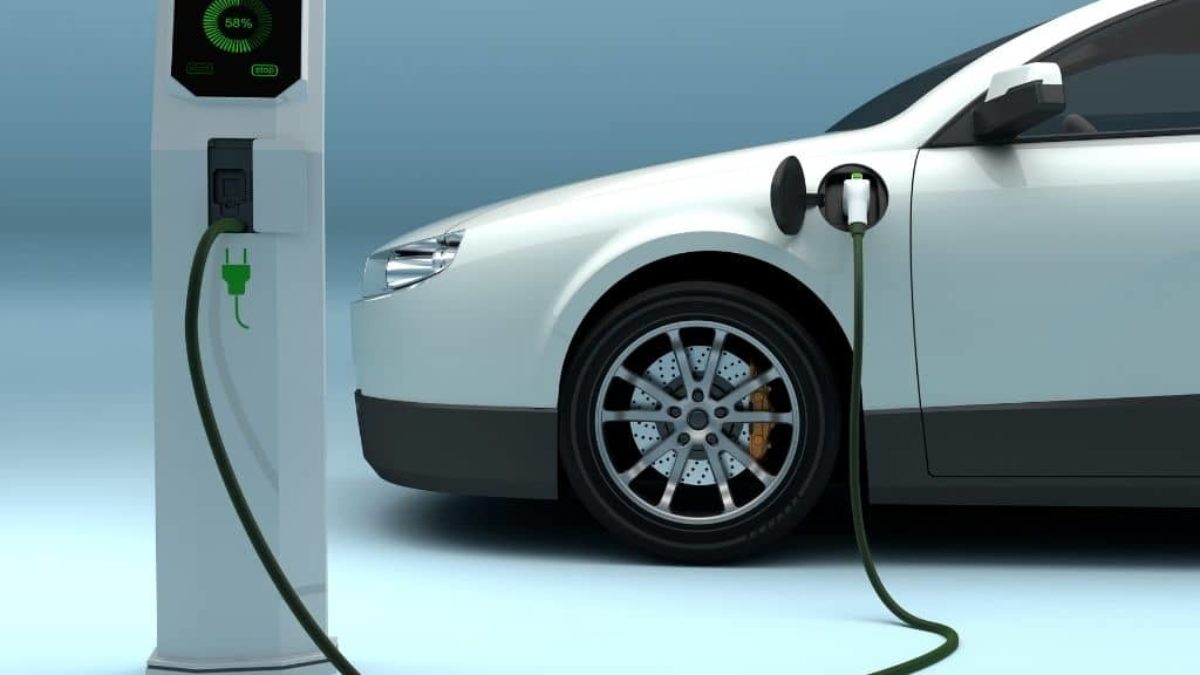
The automotive industry in Kenya is undergoing a significant transformation, largely driven by the global shift towards sustainability and green energy solutions. Electric and hybrid vehicles (EVs and HEVs) are at the forefront of this revolution. These vehicles offer numerous benefits, including reduced carbon emissions, lower fuel costs, and less reliance on fossil fuels, making them increasingly popular among Kenyan consumers and businesses alike. With the global demand for cleaner transportation solutions, Kenya is slowly but surely embracing these advanced vehicles as part of its vision for a greener, more sustainable future.
Kenya has made notable strides in adopting electric and hybrid vehicles, with an increasing number of individuals and companies opting for these alternatives to traditional gasoline and diesel-powered vehicles. The government has recognized the importance of transitioning to cleaner vehicles and has introduced policies to promote their use. For example, Kenya’s government offers tax incentives, such as exemptions from import duties for electric cars, which make EVs and HEVs more affordable. Additionally, Kenya’s growing renewable energy sector, especially in solar power, provides a promising foundation for the widespread adoption of electric vehicles, as the energy grid becomes more sustainable and capable of supporting EV charging infrastructure.
One of the key drivers for the adoption of electric and hybrid vehicles in Kenya is the rising cost of fuel. The fluctuating prices of petrol and diesel, coupled with the long-term environmental and health impacts of fuel combustion, have led many Kenyan motorists to consider electric and hybrid vehicles as a viable alternative. Furthermore, electric vehicles are seen as a long-term investment that can provide substantial savings on fuel costs, especially given Kenya's proximity to the equator and abundant solar energy.
Electric and hybrid vehicles come with a range of benefits that appeal to Kenyan drivers. For electric vehicles, one of the main advantages is their environmentally friendly nature. EVs produce zero emissions, reducing the overall carbon footprint of transportation, which is critical in mitigating the effects of climate change. Hybrid vehicles, while not completely emission-free, still offer a substantial reduction in emissions compared to conventional vehicles, as they combine a petrol engine with an electric motor.
From an economic perspective, electric vehicles have the potential to save Kenyan drivers a considerable amount of money in the long term. Since they rely on electricity rather than petrol or diesel, the cost of fueling an electric vehicle is significantly lower. The operational and maintenance costs of EVs are also lower, as they have fewer moving parts and do not require oil changes, making them more cost-effective over time.
Hybrid vehicles, on the other hand, provide the flexibility of running on either electricity or fuel, which is particularly useful in regions where charging infrastructure for EVs is still developing. This allows drivers to switch between the two power sources depending on availability, making hybrid vehicles an excellent option for those in rural areas where charging stations may not yet be readily accessible.
Despite their many advantages, the adoption of electric and hybrid vehicles in Kenya faces several challenges. One of the biggest hurdles is the lack of sufficient charging infrastructure. While Nairobi has some charging stations, the coverage is still limited, and many rural areas are not yet equipped with the necessary infrastructure to support electric vehicles. Without a widespread network of charging points, potential EV owners may be deterred from making the switch to electric mobility.
Another challenge is the relatively high upfront cost of electric and hybrid vehicles. While tax incentives have helped make these vehicles more affordable, the initial price is still a barrier for many Kenyan consumers. The cost of EVs and HEVs remains higher than that of conventional vehicles, which limits their accessibility, particularly in lower-income segments of the population.
READ ALSO: The Best Way To Care For Your Pet Dog In Kenya: A Complete Guide
Additionally, there is a need for greater awareness and education about electric and hybrid vehicles. Many Kenyan motorists are still unfamiliar with the technology and the benefits it offers. Public education campaigns and more visible examples of electric and hybrid vehicles on the road can help build consumer confidence and accelerate the adoption of these vehicles.
Despite these challenges, the future of electric and hybrid vehicles in Kenya looks promising. The government is increasingly recognizing the importance of transitioning to cleaner transportation solutions as part of the country’s broader efforts to achieve its climate goals. Continued investment in renewable energy, the expansion of charging infrastructure, and additional incentives for EV buyers will help drive this transition.
As awareness grows and the cost of EVs continues to decrease with advances in technology, more Kenyan drivers will likely make the switch to electric and hybrid vehicles. The rise of electric and hybrid vehicles is also expected to spur local manufacturing and innovation, potentially positioning Kenya as a leader in green automotive solutions in the East African region.
In conclusion, electric and hybrid vehicles represent a major shift in Kenya’s automotive landscape. With the right policies, infrastructure, and public support, these vehicles could play a crucial role in reducing the country’s carbon emissions, lowering fuel costs, and driving sustainable economic growth. As Kenya moves toward a cleaner and greener future, the adoption of electric and hybrid vehicles will be a key factor in shaping the country’s transportation system for generations to come.




Comments